Proof. An architect decides where the weight goes before anything stands, and draws it so that other people can build on it. This issue proves it one line at a time, a lemma to each: a foundation other apps move into (p. 08); a product started again from an empty lot (p. 12); walls between the people a product serves (p. 16); a representation chosen so that geometry does the work (p. 20); data whose route was settled before any was collected (p. 24); and, since 2003, roads (p. 28). The buildings change. The job does not.∎
i design platforms.▌
署名
I sign my work s1lin, here and on GitHub. The builds in this issue can do the introductions.
I live in Montreal. I studied computer science and mathematics at Saint John's in Minnesota, and parallel algorithms at McGill.
草 On GitHub
1,247 contributions in the last year
LessMore
草, grass: what programmers in Japan call this chart. A square a day, the greener the busier, to 26 October 2026. More at github.com/s1lin ↗
— 04 —
特集 Feature · pp. 06–27
Five lines, one proof.
I work on several lines at once, the way a city runs several metro lines, and each line is one lemma of the theorem on page 04. The newest, Tokensbeat, is the foundation: WorkGo and InclusifAI are moving onto it as tenants, each keeping its own gateway, its own agent and its own users. Here is the network as of October 2026.
Route map, not to scale before 2025. The dotted link marks tenancy. The grey line closed in July 2025, when I resigned from AwakeAI, where I first held the title of architect.
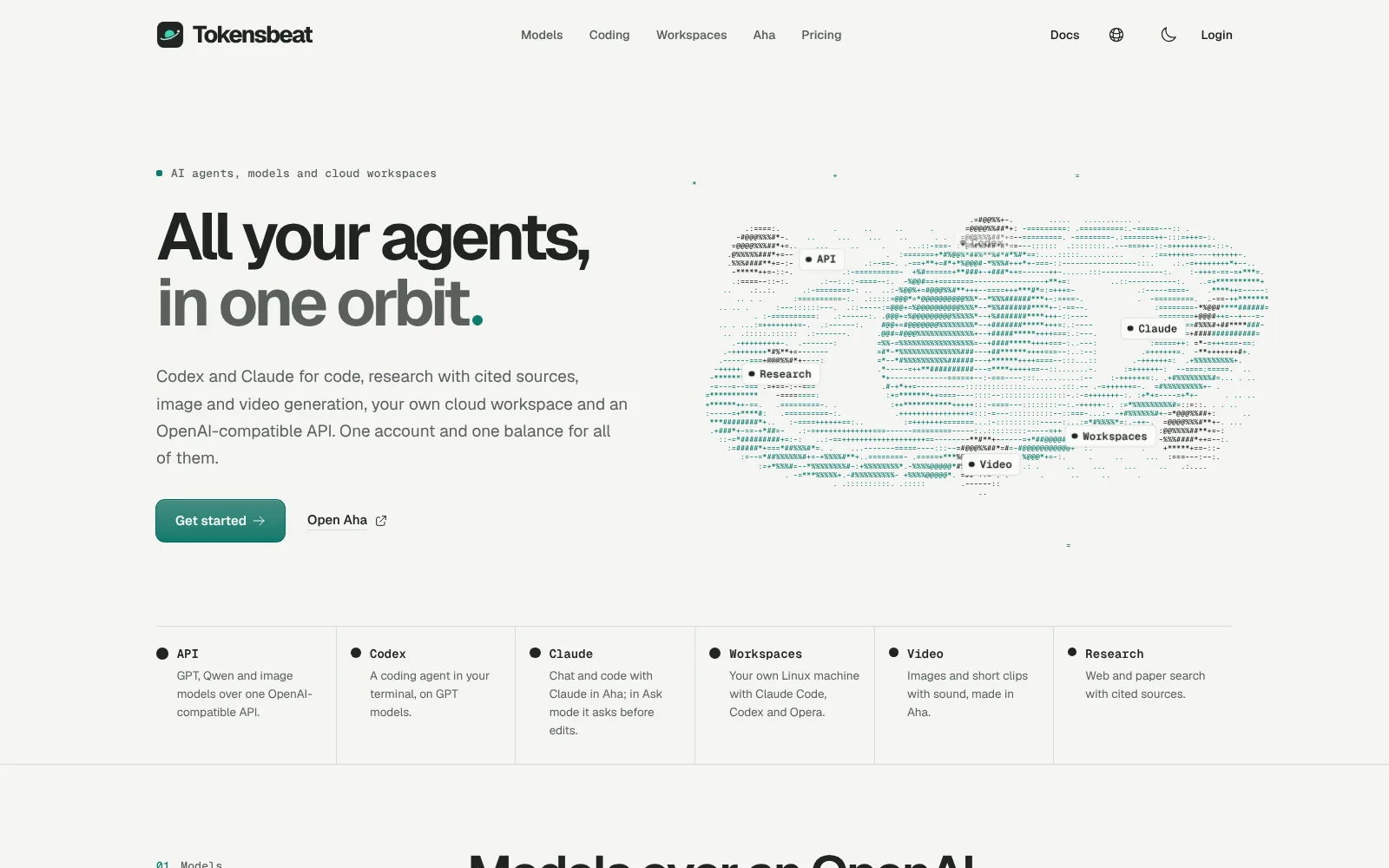
One gateway to many models, sold two ways: Aha, an agent app, for people; and the platform itself for apps, which move in as tenants
Lemma 1.An architect draws the foundation, and other people build on it.
“All your agents, in one orbit,” says the storefront. Underneath is the drawing I keep coming back to: one gateway to many models, sold two ways. People get Aha, an agent app. App builders get the platform itself, and move in as tenants.
A tenant takes any of three pieces, never a bundle: a private gateway with its own console, users and prices, where Tokensbeat sees exactly one key; an agent instance on Pi, the runtime behind Aha, running the tenant's own agent; and, if it wants one, a managed backend. The first two tenants are the next two lines in this issue: WorkGo, whose agent is Obi, and InclusifAI, whose agent is Aria.
The foundation. A gateway in Go in front of Claude, OpenAI, Gemini, Grok, Kimi, DeepSeek, GLM and Qwen, and models on GPUs I run myself. One wallet, one console, and a public plaza of live health probes and prices.
Tenant instances. The same binary again, with its own database, white-label site, sign-in and staff gate, and exactly one key upstream. A tenant's users never appear in Tokensbeat's ledger, and a daily job reconciles the two.
Agents on Pi. Events, durable state, tools, skills and hosted apps. To the public it is Aha; for a tenant it runs that tenant's agent behind a flag, so going back is one setting.
A backend to move into. Automation stands up Postgres, auth, a REST API, storage and realtime for each project, and trusts the tenant's own sign-in. Built and tested in the lab, not yet open.
Moving house without dropping calls. In October the gateway and its database moved to Azure with 83 seconds of downtime, and Aha followed with 40. Every green commit now deploys itself, checks its health and rolls itself back if it must. Backups are hourly and encrypted, and a restore drill takes about two minutes.
The crew. Coding agents build it, one layer to a branch, and a second model reviews each layer before the next begins. I draw the plan and own the merges.
Go · Gin · EntPostgreSQLRedisVueReact 19 · HonoPivLLMAzureCloudflareStripe
Section through Tokensbeat, as drawn in October 2026. A tenant takes any of the rooms in its bay, not a bundle.
tokensbeat.com
tokensbeat.com, launch week. The storefront for people; the section above is what apps move into.
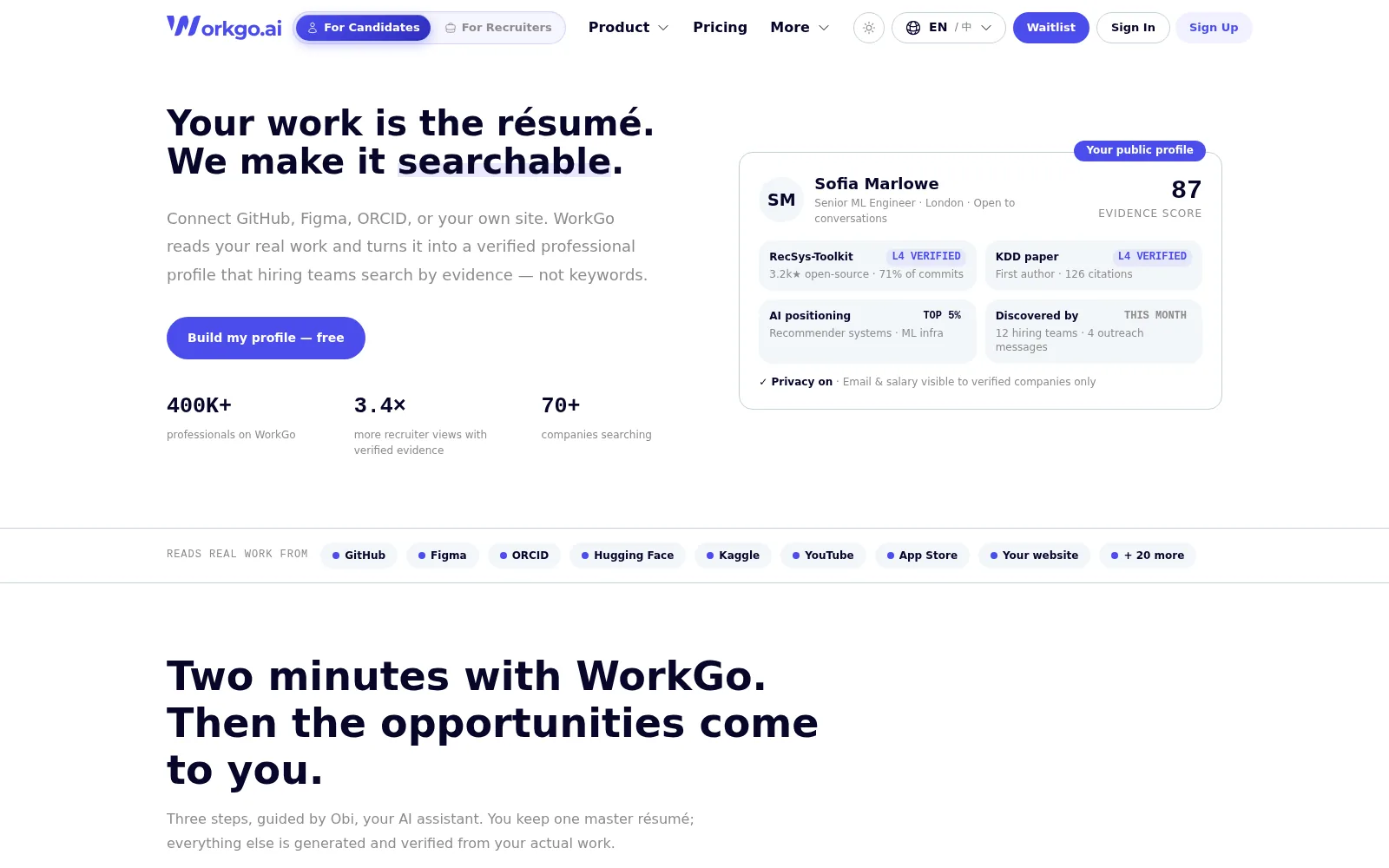
A career operating system: résumés, matching, and agents that do the legwork
Lemma 2.Knowing when to start again from an empty lot is part of the job.
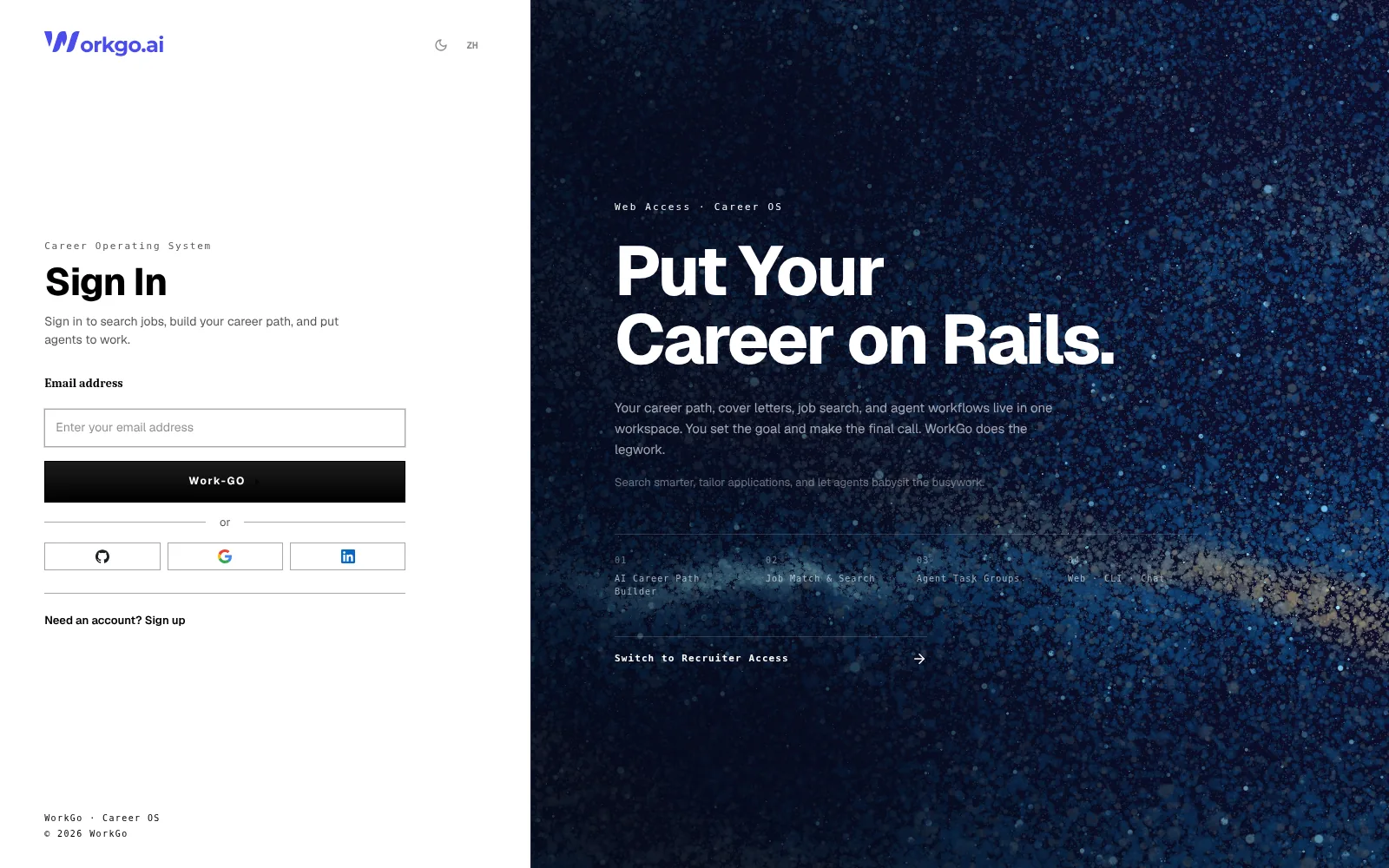
WorkGo started life as AI for remote jobs, and we have rebuilt it more than once since. The current version treats a career like a rail line: you choose the destination, agents lay the track, and you make the final call.
I work across the whole stack. In August 2026 I started WorkGo 2.0 again from an empty repository and laid out how it stands, and most of what a user touches today came out of that branch. Before that I wrote much of the matching service and the Go backend it now runs on. WorkGo is also one of the first two tenants on Tokensbeat: Obi already works as an agent with tools and durable runs, so moving him onto Pi is a translation, not a redesign.
WorkGo 2.0 web app. Résumés with Obi, the in-app coach; a six-step career identity wizard; Smart Match and an application tracker.
WorkGo Connector. OAuth plus MCP, so ChatGPT or Claude can read your own résumés when you ask them to.
Autofill everywhere. A Chrome extension and a desktop app for the forms that never end.
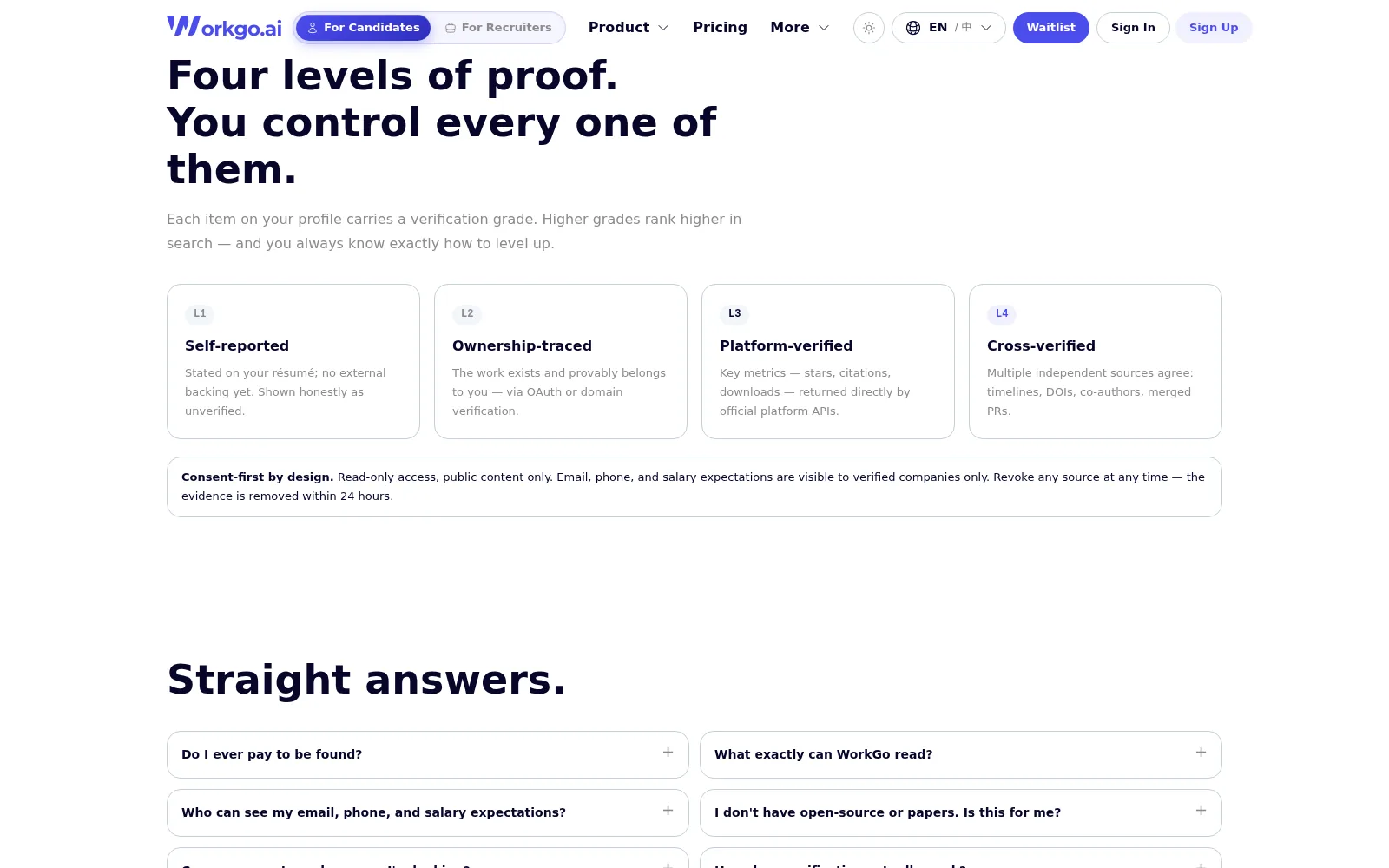
Living personal sites. A generator that turns a verified profile into a page. Yes, I noticed the irony while building this one.
The engine room. Semantic job matching on pgvector, résumé parsing and scoring, a Go backend with Clerk and Stripe, a three-evaluator skill scorer.
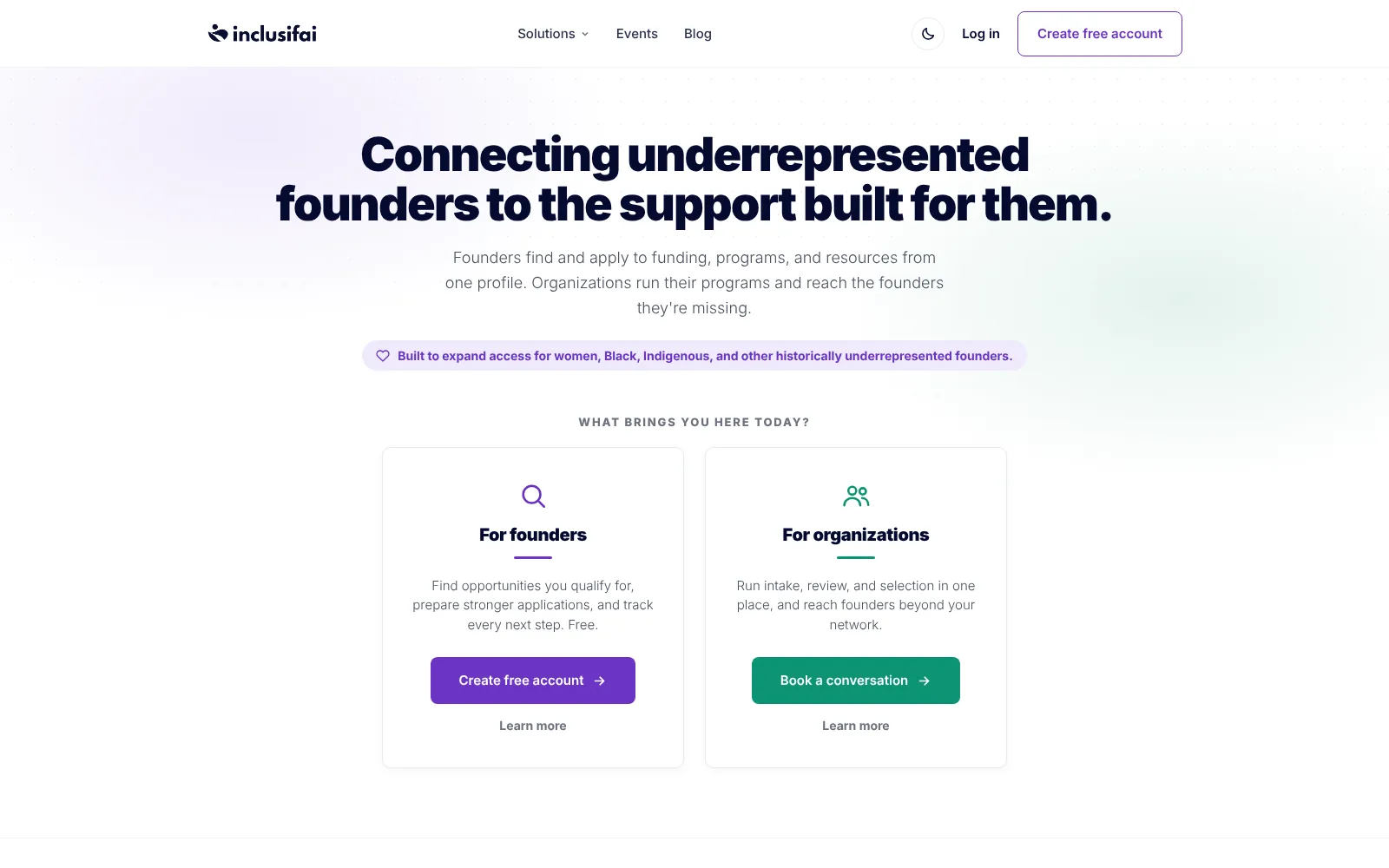
Infrastructure that connects founders, especially women and underrepresented entrepreneurs, with funding and the organizations that support them
Lemma 3.The walls matter as much as the rooms.
Applying for a grant usually means typing the same company story into forty different forms. InclusifAI gives a founder one Funding Passport and lets it do the typing, while the funders on the other side get a cleaner way to review.
I have been the main engineer on the founder app since October 2025, and I also build the Partner Hub for funding organizations and the new public site. Founders and the organizations that fund them come in through separate doors, and the AI that scores applications never sees demographic fields. InclusifAI is the other first tenant on Tokensbeat, and Aria the first tenant agent drawn for Pi.
Funding Passport. One founder profile that fills many applications, with Smart Match for grants and investors.
Aria. An AI funding coach that sharpens long answers. Every edit is shown before the founder accepts it.
Funding Autofill. A Chrome extension that fills application forms from the Passport.
Partner Hub. Programs, intake, and weighted-rubric review. Aria pre-scores applications and never sees demographic fields.
Data Room. Share links for investors, and an org wallet that keeps the lights on.
Roadside perception for vehicle–road–cloud systems: cameras on poles and gantries, watching intersections
Research
Recursive self-improvement (RSI) on ARC-AGI-3
Lemma 4.Choose the right representation, and the hard part becomes geometry.
A camera on a pole sees the world from above and at an angle, so a car's footprint is never a neat rectangle. Teach the network to place a few well-chosen points, and the footprint, the heading, and the height fall out of geometry.
That idea became a point-based 2.5D detector: four ordered ground corners plus one top point per object. The fifth point is what makes cyclists and pedestrians work. Around it I designed the rest of the pipeline, from the camera to the edge chip.
The 5-point head. One head for YOLO and RT-DETR, decoded through a ground-frame chart so every footprint is ordered and never degenerate.
A real-time roadside pipeline. Camera and LiDAR in, TensorRT detection, my own 4D Kalman tracker, trajectory prediction and events out.
A teacher, then a student. A 7B vision foundation model fine-tuned to label in 2.5D, distilled into a YOLO small enough to ship.
Edge deployment. INT8 export with quantization-aware training for TI TIDL chips, on NV12 frames straight from the camera.
Agents in the lab. An LLM agent that schedules my training runs and hyperparameter sweeps, and a SAM 3 agent that auto-labels in 2.5D.
Research on self-improvement. On ARC-AGI-3, a harness that rewrites its own playbook and a 1.5B reasoning model that retrains on its own play, read layer by layer through a Jacobian lens. The harness gained 8.8 points on unseen games, short of the 10 I set as the bar.
Lemma 5.Decide where the data goes before you collect any.
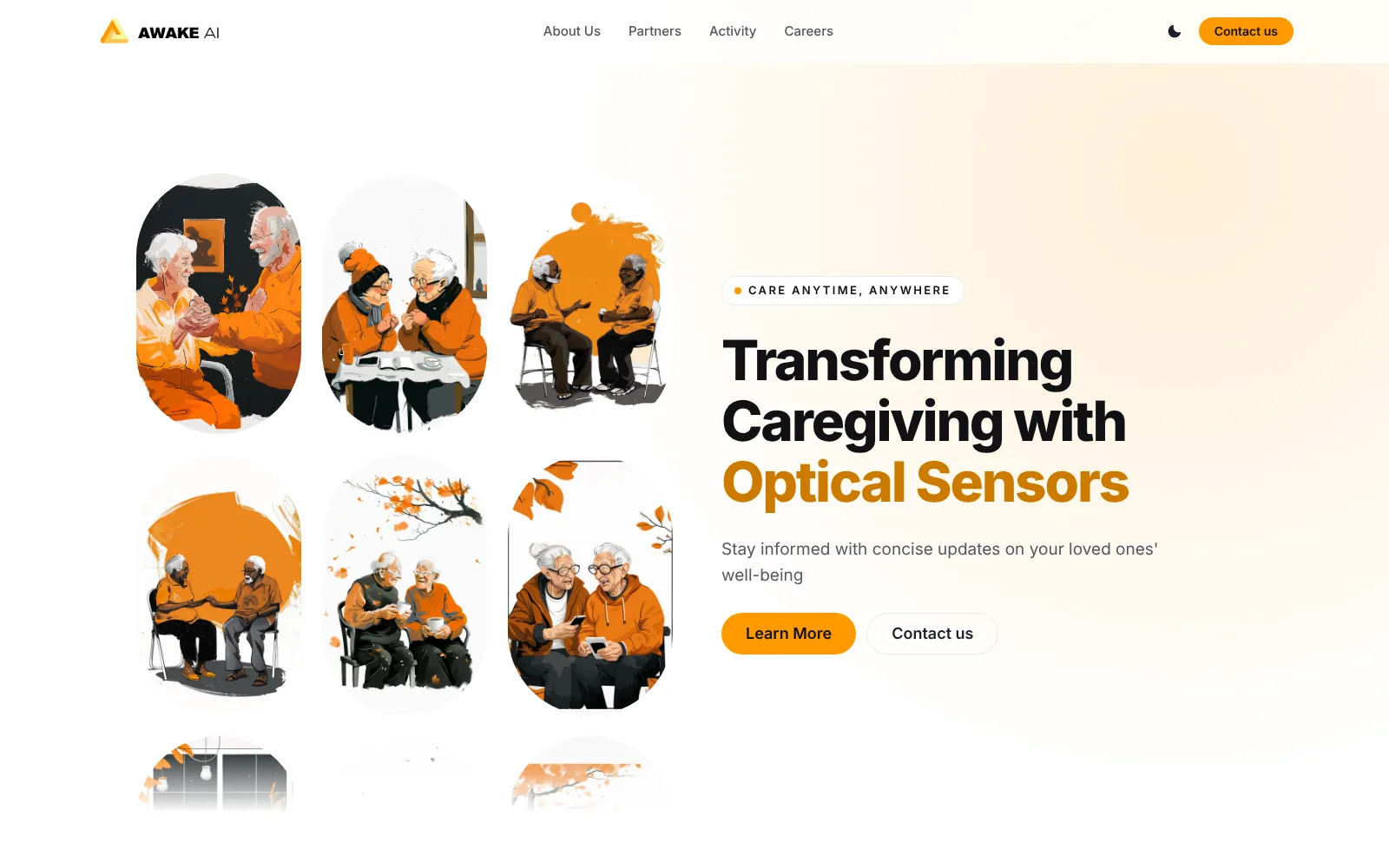
Care anytime, anywhere. AwakeAI watches over seniors with optical sensors instead of wearables: nothing to charge, nothing to remember to press, and the video is processed on site with identities masked.
We started it in Montreal in December 2020, in partnership with Mila, and it became a company after a third-place finish at McGill's Dobson Cup. I wrote software, then drew the architecture, then ran operations as COO, until I resigned in July 2025.
2022. Dobson Cup, 3rd place in the Health Science track. Dobson X-1 accelerator.
2023. NEXT Canada, Centech, Collision, ALL IN and CELS. I take over the system architecture.
2024. Startup Mila status. RESI at the J.P. Morgan Healthcare Conference.
2025. COO from January. I also built the company website. I resigned in July.
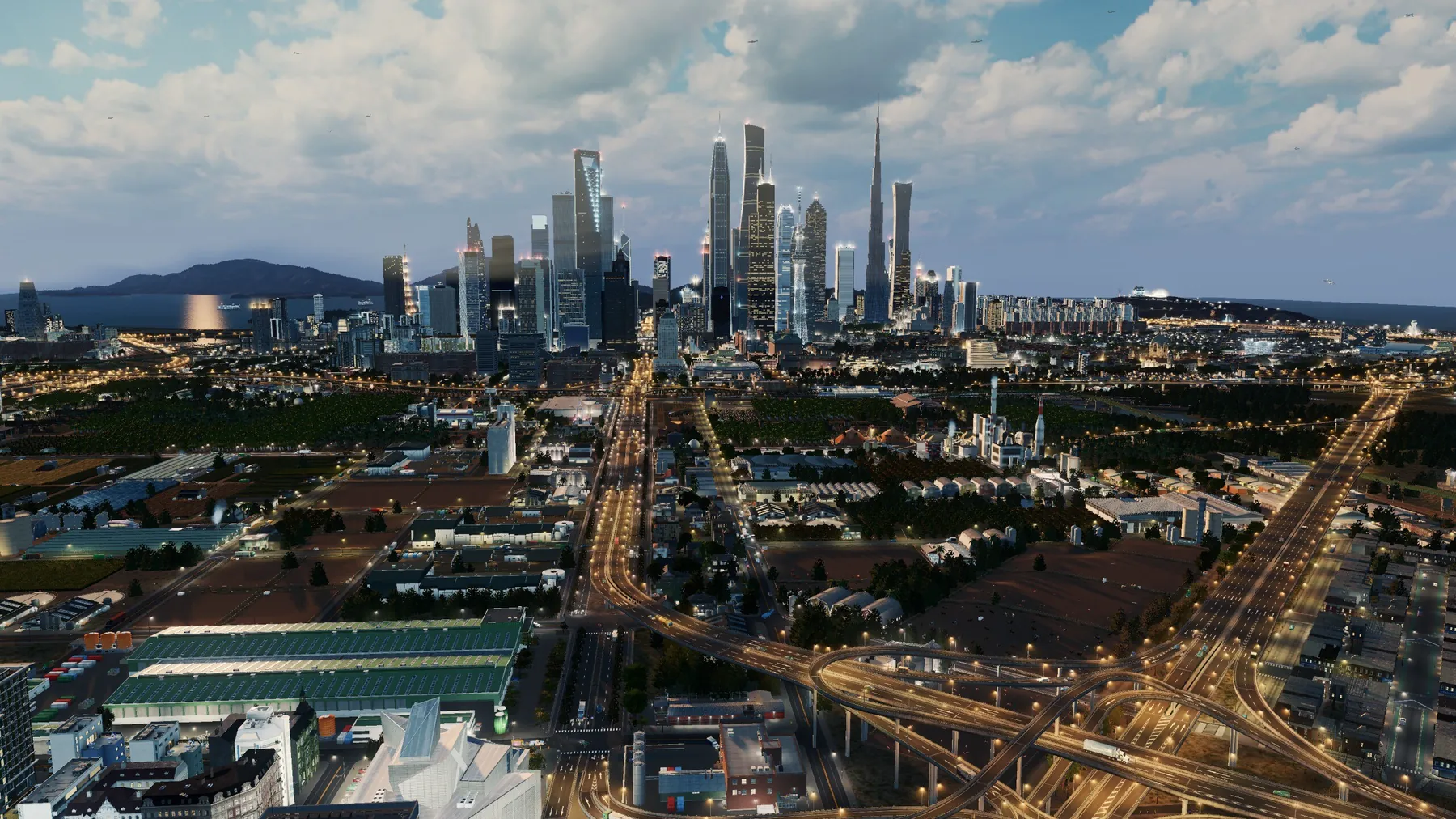
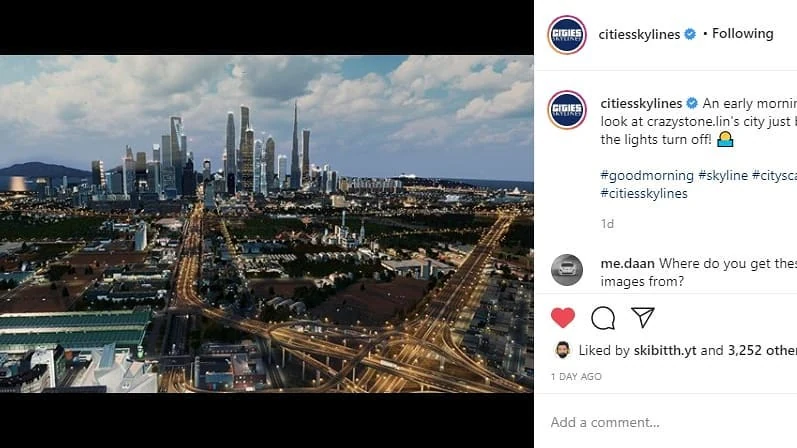
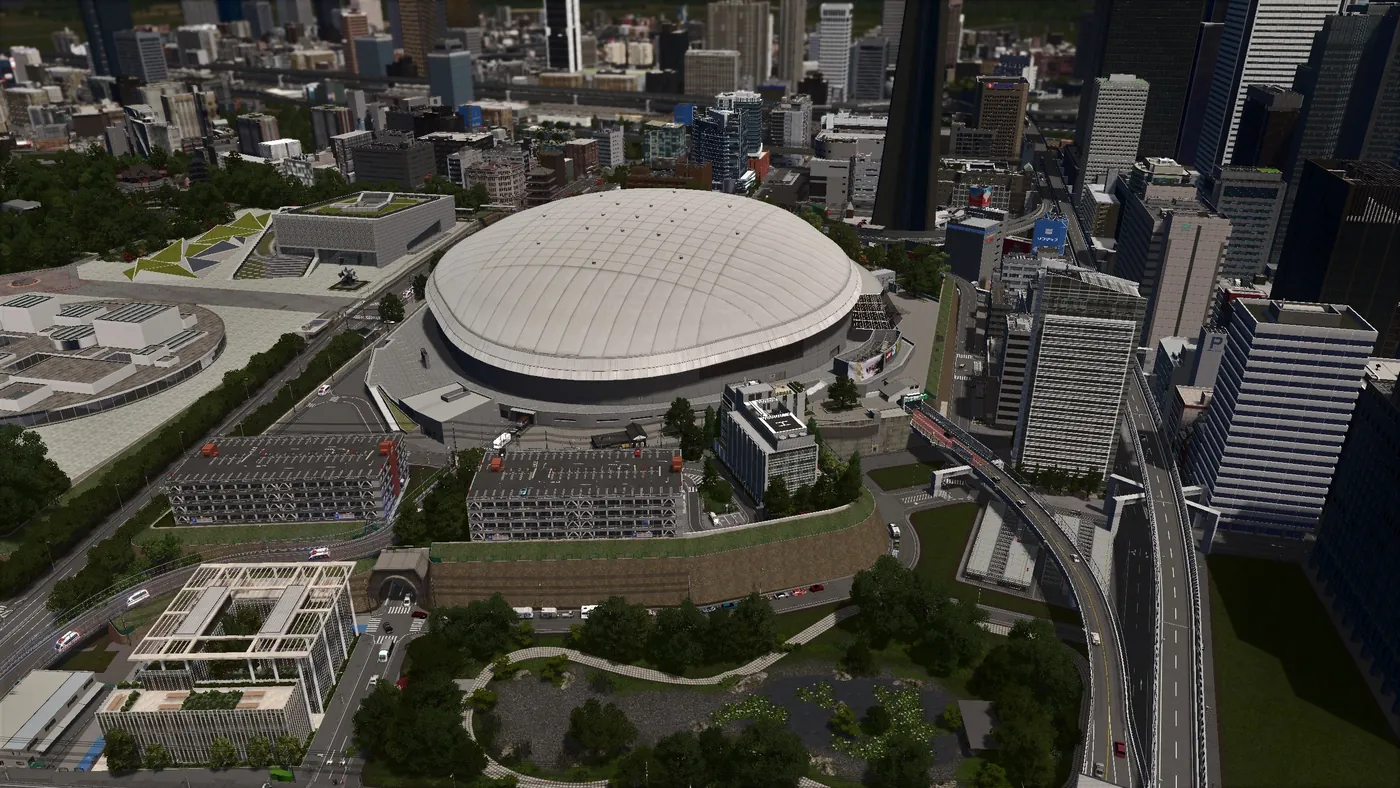
Early morning over the interchanges, October 2020. Every ramp in the foreground was placed by hand, and the official Cities: Skylines account featured it that week. Run the cursor across it.The official Cities: Skylines account, October 2020. 3,253 likes.The stadium district, with a park on its roof line.
“Lemma 6.Where the road goes decides everything built along it. Proof.I laid my first road in SimCity 4 in 2003, and I have spent more than 5,000 hours in Cities: Skylines testing it since. ∎”
Revised from the first version of this site.
— 28 —
工房 The workshop · pp. 36–43
Side builds & old foundations.
The studies behind the big lines: weekend builds, two theses, a robot team and a course. Some shipped and some stayed on paper, but each settled a question the big lines no longer have to ask.
No. 01
LEGOLocator
2025.12 · PDF parsing · Instruction lookup
A leftover LEGO piece, traced back to the steps that add it. Choose a piece from the booklet’s illustrated inventory to see where it belongs. The first local viewer covers the Vespa set.
No. 02
Metro2Line
2025.12 · Flask · Overpass · Leaflet
Pulls metro lines out of OpenStreetMap and redraws a city's network. Twelve cities are on the cover; to draw your own, explore it and adjust it, take it to aha.tokensbeat.com.
Some Parallel Algorithms for Linear Model Based Integer Parameter Estimation, supervised by Prof. Xiao-Wen Chang. Asynchronous parallel solvers for integer least squares, plus parallel LLL reduction.
High Performance Techniques Applied in Partial Differential Equations Library. I moved the deal.II finite-element library onto a newer Trilinos and benchmarked data representations, advised by Dr. Mike Heroux and Dr. Michael Tangredi.
Began as a bidding system for a databases course and grew into the administration system for an education company in Chengdu, where I was project manager and engineer.
No. 06
Mindstorms
2015–2017 · Robotics team lead, Saint John's
The first things I built that moved on their own. LEGO Mindstorms robots for a contest at the University of Northern Iowa in 2015, then two years leading the team.
No. 07
Game theory, out loud
2020 · Bilibili · in Chinese
A free game theory course recorded during the pandemic, and a blog called All AND Nothing with friends. Teaching is building too, just slower.
Years are shown as clock times: 20:14 is 2014. The board loops.
記録 The long version
Saint John's (CSB/SJU), Minnesota. B.A. in computer science and mathematics, cum laude. HPC research with Mike Heroux; robotics team lead.
YoueData, Chengdu. Java engineer on a big-data platform built on HDFS.
Pioneer Education, Chengdu. Project manager and engineer for its administration system; academic advisor.
McGill University, Montreal. M.Sc. in computer science at the Scientific Computing Lab, on asynchronous parallel solvers for integer least squares. Third place at the Dobson Cup with AwakeAI.
AwakeAI, Montreal. Co-founder; system architect from 2023; COO from January 2025 until I resigned in July.
Echosonic. Embedded AI engineer, running models on STM32 microcontrollers.
WorkGo. The career OS, version 2.0 from August 2026.
InclusifAI. Founder app, Partner Hub and public site.
HiRain Technologies. Roadside perception, and research on recursive self-improvement.
Tokensbeat. Architect and operator of the platform; opened in October, with WorkGo and InclusifAI as its first tenants.
— 44 —
奥付 Colophon
Issue
Vol. 30, Autumn 2026: why I am an architect.
Editor, architect
s1lin, Montreal
Type
Instrument Serif, Inter Tight, JetBrains Mono, Shippori Mincho B1 and Zen Kaku Gothic New, from Google Fonts
ASCII
ascii.rest by @bas3line (MIT): the cover banner, the typewriter, the skyline, the departures board, and the alpine dawn and Tokyo rain that take turns at the end
Effects
Canvas UI by David Haz (MIT + Commons Clause): Ripple on the night photo, Magnify as the loupe over each screenshot, Frost on the glass in front of every page, Glitch on the section titles. Patched here to run in any WebGL2 browser.